Introduction
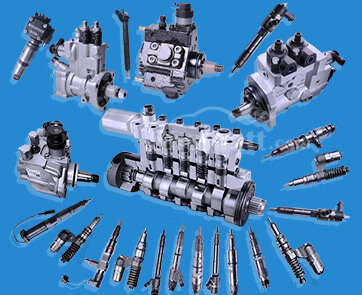
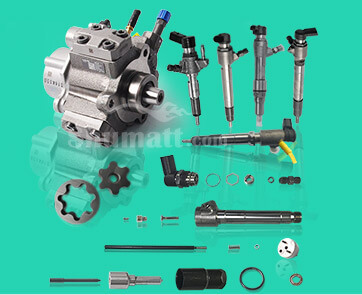
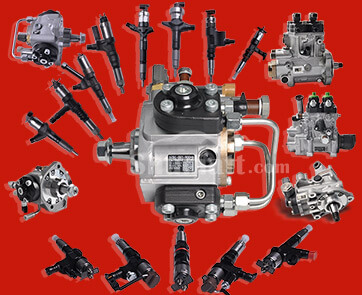
Your vehicle’s fuel system is a complex network of components working together to deliver power, efficiency, and reliability. At the heart of this system are critical parts like injectors, injector nozzles, orificed plates, fuel pumps, and their spare parts. Whether you’re a car enthusiast, a professional mechanic, or simply someone who wants to understand how your vehicle works, this blog will provide a comprehensive overview of these components. We’ll explore their functions, importance, and maintenance tips to keep your engine running smoothly.
1. Injectors: The Precision Fuel Delivery System
Injectors are the workhorses of the fuel system, responsible for delivering fuel into the combustion chamber in a precise and controlled manner. They work in tandem with the engine’s electronic control unit (ECU) to ensure the right amount of fuel is sprayed at the right time for efficient combustion.
Key Functions:
Signs of Faulty Injectors:
Maintenance Tips:
2. Injector Nozzles: The Atomizers of Fuel
The injector nozzle is a critical part of the injector, responsible for breaking fuel into a fine mist. This atomization ensures efficient mixing of fuel and air, leading to better combustion and engine performance.
Key Functions:
Signs of Faulty Nozzles:
Maintenance Tips:
3. Orificed Plates: Controlling Fuel Flow
Orificed plates are small but essential components that control the flow of fuel within the injector. They ensure the right amount of fuel is delivered to the combustion chamber, contributing to efficient engine performance.
Key Functions:
Signs of Faulty Orificed Plates:
Maintenance Tips:
4. Injector Spare Parts: Keeping Injectors in Top Shape
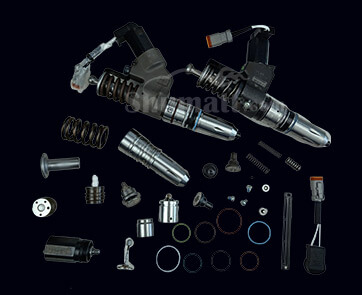
Injector spare parts, such as seals, O-rings, springs, and solenoid valves, are essential for maintaining the injector’s functionality. These parts ensure the injector operates efficiently and without leaks.
Key Spare Parts:
Maintenance Tips:
5. Fuel Pumps: Delivering Fuel to the Engine
The fuel pump is responsible for delivering fuel from the tank to the injectors at the required pressure. It’s a vital component that ensures your engine receives the fuel it needs to operate.
Key Functions:
Signs of a Failing Fuel Pump:
Maintenance Tips:
6. Fuel Pump Spare Parts: Ensuring Reliable Performance
Fuel pump spare parts, such as filters, seals, and pressure regulators, are essential for maintaining the pump’s functionality. These parts help ensure consistent fuel delivery and prevent leaks.
Key Spare Parts:
Maintenance Tips:
Conclusion
Injectors, injector nozzles, orificed plates, fuel pumps, and their spare parts are the backbone of your vehicle’s fuel system. By understanding their roles, recognizing signs of trouble, and maintaining them properly, you can ensure your engine runs efficiently and reliably for years to come. Whether you’re a DIY mechanic or a car owner looking to learn more, taking care of these components is a smart investment in your vehicle’s performance and longevity.