March 10, 2024
Fuel Pumps and Fuel Pump Spare Parts: The Lifeline of Your Vehicle’s Fuel System
Introduction
The fuel pump is one of the most critical components in your vehicle’s fuel system. It ensures that fuel is delivered from the tank to the engine at the right pressure, enabling your vehicle to run smoothly and efficiently. Alongside the fuel pump, its spare parts—such as filters, seals, and pressure regulators—play an equally important role in maintaining optimal performance. In this blog, we’ll dive into the world of fuel pumps and their spare parts, exploring their functions, signs of failure, and maintenance tips to keep your vehicle running at its best.
What is a Fuel Pump?
The fuel pump is responsible for delivering fuel from the gas tank to the engine at the required pressure. It ensures that the engine receives a consistent supply of fuel, which is essential for combustion and overall performance. Fuel pumps are typically located inside the fuel tank (in-tank pumps) or along the fuel line (inline pumps), depending on the vehicle’s design.
Types of Fuel Pumps
- Mechanical Fuel Pumps: Commonly found in older vehicles, these pumps are driven by the engine’s camshaft or crankshaft.
- Electric Fuel Pumps: Used in modern vehicles, these pumps are powered by the vehicle’s electrical system and are more efficient and reliable.
How Does a Fuel Pump Work?
The fuel pump operates by drawing fuel from the tank and pushing it through the fuel lines to the engine. Here’s a simplified breakdown of the process:
- Fuel Intake: The pump draws fuel from the tank through a suction pipe.
- Pressure Regulation: The pump maintains the required pressure to ensure consistent fuel delivery.
- Fuel Delivery: Fuel is sent through the fuel lines to the injectors or carburetor, where it is mixed with air for combustion.
This process happens continuously while the engine is running, making the fuel pump a vital component of your vehicle’s operation.
Why Are Fuel Pumps Important?
- Engine Performance: A properly functioning fuel pump ensures the engine receives the right amount of fuel for optimal combustion.
- Fuel Efficiency: Consistent fuel delivery improves mileage and reduces waste.
- Reliability: A reliable fuel pump prevents engine stalling and ensures smooth operation.
- Emissions Control: Efficient fuel delivery helps reduce harmful emissions.
Common Fuel Pump Spare Parts and Their Roles
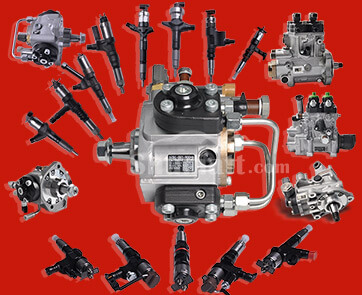
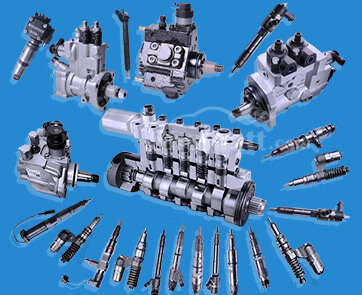
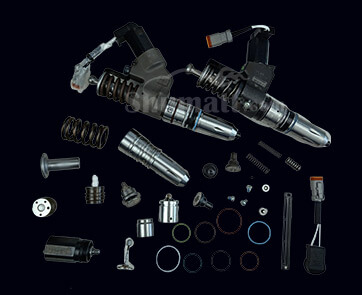
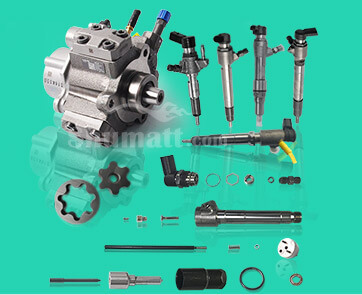
Fuel pump spare parts are essential for maintaining the pump’s functionality and ensuring the entire fuel system operates seamlessly. Here are some key spare parts and their functions:
- Fuel Filters: Prevent contaminants from reaching the pump and engine, ensuring clean fuel delivery.
- Seals and Gaskets: Prevent fuel leaks and maintain pressure within the fuel system.
- Pressure Regulators: Maintain optimal fuel pressure for consistent engine performance.
- Fuel Pump Modules: Include the pump, filter, and other components in a single unit for easy replacement.
Signs of a Failing Fuel Pump or Worn-Out Spare Parts
Over time, fuel pumps and their spare parts can wear out or become clogged. Here are some common signs of trouble:
- Difficulty Starting the Engine: A weak or failing fuel pump may struggle to deliver enough fuel to start the engine.
- Engine Sputtering or Stalling: Inconsistent fuel delivery can cause the engine to sputter or stall, especially at high speeds.
- Loss of Power: A drop in fuel pressure can lead to a noticeable loss of power during acceleration.
- Whining Noise from the Fuel Tank: A loud whining noise may indicate a failing fuel pump.
- Poor Fuel Efficiency: A clogged fuel filter or faulty pressure regulator can reduce fuel efficiency.
How to Maintain Your Fuel Pump and Spare Parts
Proper maintenance can extend the life of your fuel pump and ensure your vehicle runs smoothly. Here are some tips:
- Use Quality Fuel: Low-quality fuel can contain impurities that clog the pump and filters. Always opt for reputable fuel brands.
- Replace Fuel Filters Regularly: A clogged filter can strain the fuel pump and reduce performance. Follow the manufacturer’s recommended replacement schedule.
- Keep the Fuel Tank Above a Quarter Full: Running on low fuel can cause the pump to overheat and wear out faster.
- Inspect for Leaks: Regularly check for fuel leaks, which can indicate worn-out seals or gaskets.
- Listen for Unusual Noises: If you hear a whining or humming noise from the fuel tank, have the pump inspected immediately.
Choosing the Right Fuel Pump and Spare Parts
When replacing a fuel pump or its spare parts, it’s crucial to choose the right components for your vehicle. Consider factors like:
- Compatibility: Ensure the parts match your vehicle’s make, model, and engine specifications.
- Quality: Opt for reputable brands to avoid premature failure.
- Performance Needs: High-performance vehicles may require specialized fuel pumps or spare parts.
Conclusion
The fuel pump and its spare parts are the lifeline of your vehicle’s fuel system. By understanding their roles, recognizing signs of trouble, and maintaining them properly, you can ensure your engine runs efficiently and reliably for years to come. Whether you’re a DIY mechanic or a car owner looking to learn more, taking care of your fuel pump is a smart investment in your vehicle’s performance and longevity.